



And it may explain why some people can increase bone density*‡
Here’s something most people with bone loss discover far too late:
Not all calcium can build bone.
In fact, the vast majority of calcium supplements have never been shown to increase bone density at all.
And that helps explain why so many people do everything “right,” only to watch their next DEXA scan get worse.
But researchers uncovered one rare form of calcium that appears to work very differently. Scientists have even called it a “biological twin” to human bone.
And in this fascinating video, you’ll discover what makes this calcium so unusual… and why it’s the only one ever shown in clinical studies to increase bone density.
Click below to watch the full video now. Watch closely to find a hidden exclusive offer.
In this exclusive video, you’ll discover:
Why the calcium your doctor told you to take may be the very reason your next DEXA scan gets worse… and what women are using instead to see their numbers increase by as much as 17.9% in just one year!*‡
Calcium builds bone, right? Wrong! At best, most supplements can only slow the rate of bone loss. And that’s why researchers from Harvard, Georgetown, and the University of Texas were so stunned by this “new” calcium.
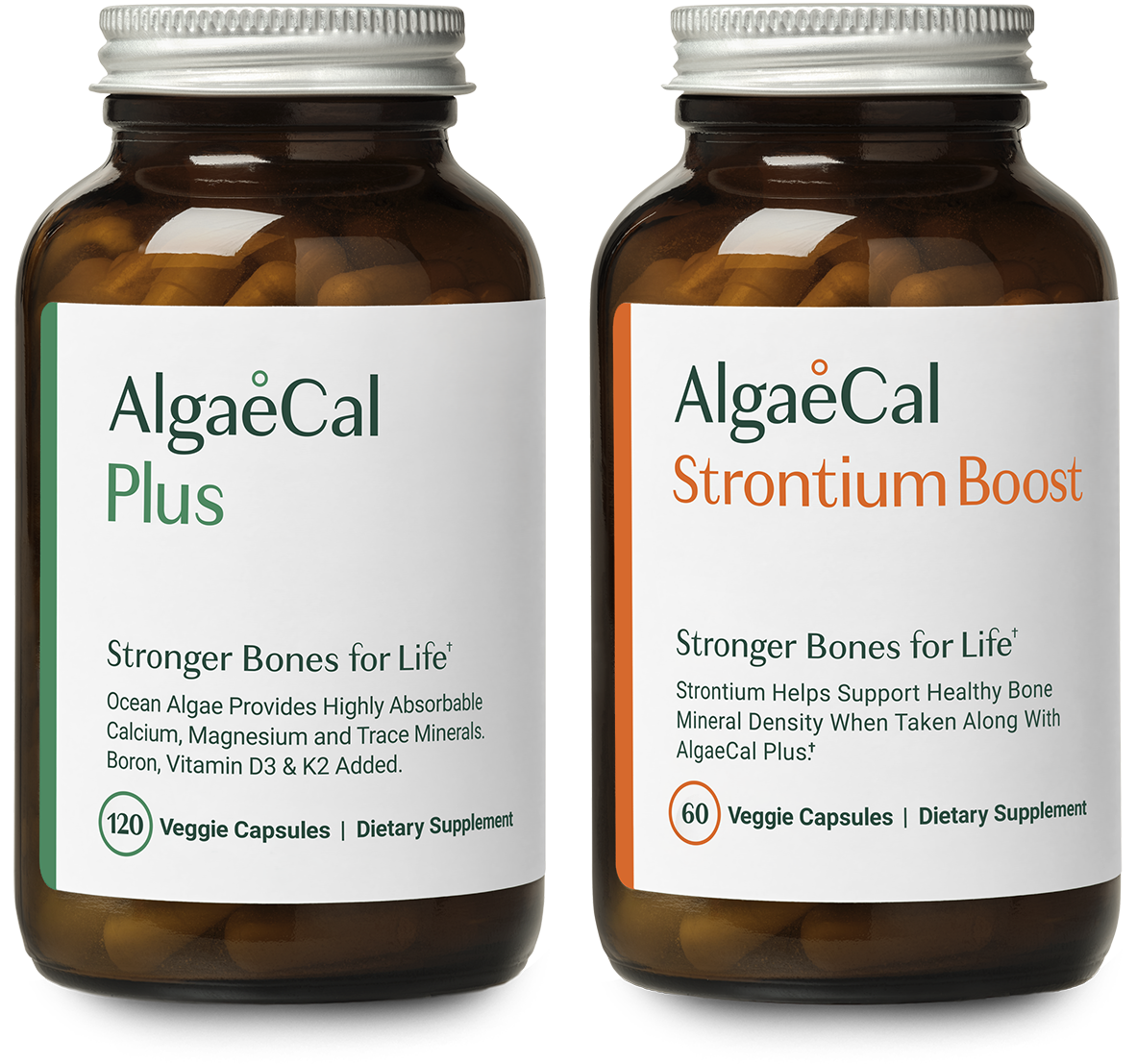
Why you should never assume all algae-based calcium is the same. This one overlooked difference can mean the difference between increasing bone density… or merely slowing the loss.
Can’t increase bone density? The culprit may be the kind of calcium you’re taking. See how participants in a clinical study turned back the clock on their bone health by a whopping 14 years!*‡
The microscope image that made scientists stop in their tracks. Once you see it, you’ll never look at “regular” calcium the same way again.
And much more…
Watch the full video now to see why this “biological twin” to bone is the only calcium ever shown to increase bone density.*‡
*These statements have not been evaluated by the Food and Drug Administration. This product is not intended to diagnose, treat, cure, or prevent any disease.
‡Results consistent with Clinical Trials. Results may vary.



Bernadean Jackson
April 26, 2026 , 3:55 amThank you for the video